
Symbols in San Clemente
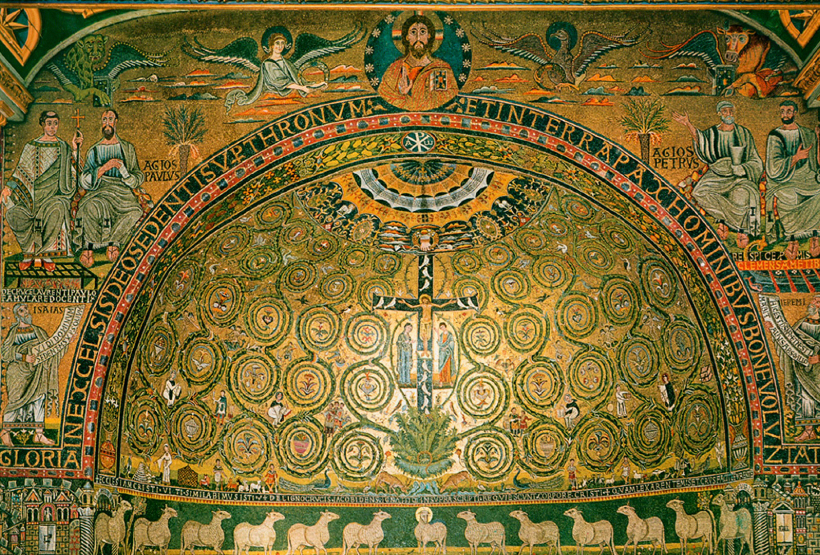
In the medieval mind, everything had a symbolic meaning. The ability to understand the meaning behind the world would help one to understand God. Generally, those who were able to interpret these meanings were artists. Through art, one was able to take the natural symbolism and present it in such a way as to allow […]
The Papal Throne
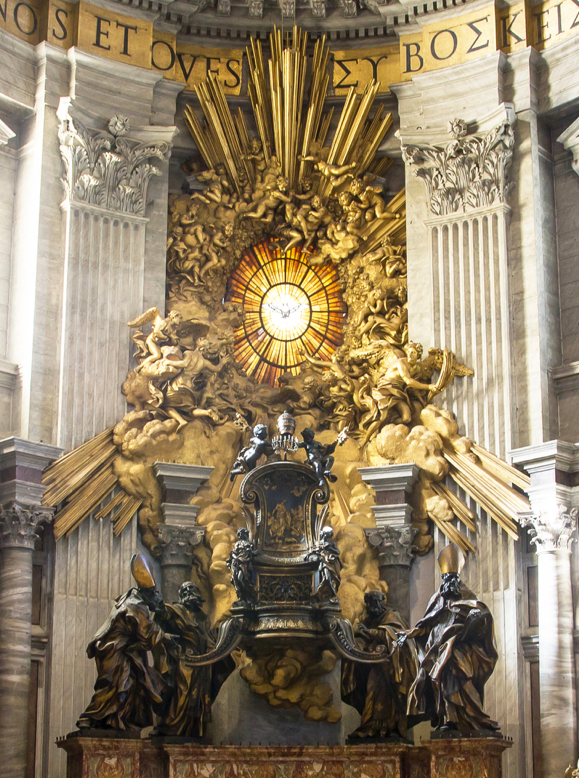
In the back of St. Peter’s Basilica is the Papal Chair. This work of Baroque art took 9 years to build and was finished in 1666. As has been stated in an earlier blog on the Baldacchino, art in the Baroque period focused on an action. The action of the Papal Throne is similar to […]
Saints Francis and Clare of Assisi
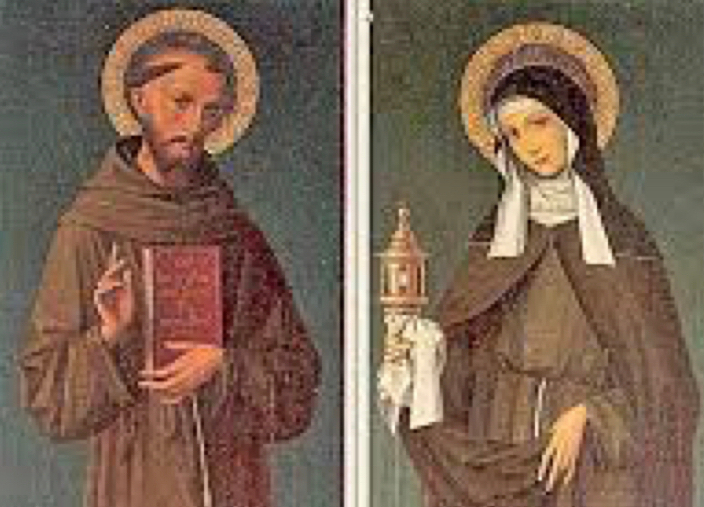
God uses our past, present, and future to draw us towards him. We can see this in both the lives of St. Francis and St. Clare of Assisi. Looking through the lives of these saints, there are three key words to focus on: conversion, confidence, and charity. Conversion in the lives of Francis and Clare […]
St. Maximilian Kolbe
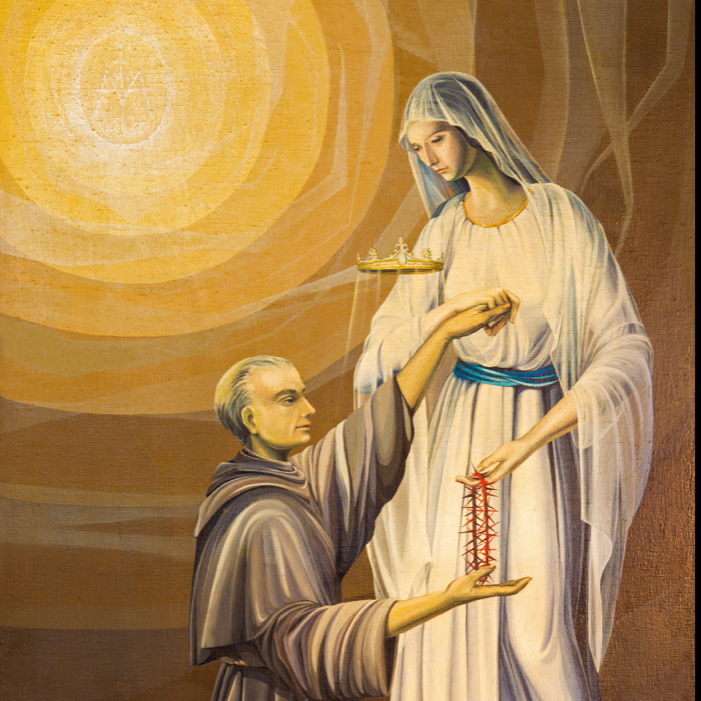
St. Maximilian Kolbe was born a Polish Catholic and, at the age of 12, was graced with a vision of the Blessed Virgin which influenced the rest of his life. The Blessed Virgin Mary appeared to young Kolbe and offered him two crowns, one white symbolizing purity and one red symbolizing martyrdom. She asked him […]
Our Lady of Fatima and Her Immaculate Heart part 4
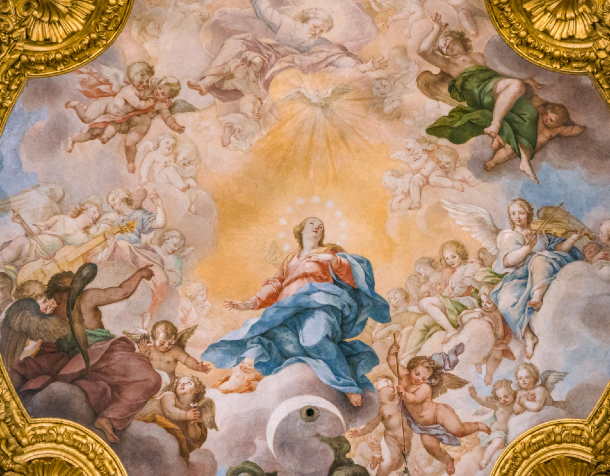
Lucia, Jacinta, and Francisco were unable to keep their August 13th appointment. They had been kidnapped by a “civil administrator” who was “committed to wiping out the Church” (God-Sent, 110). While kidnapped, the children were “threatened, in individual sessions, with death in a red-hot frying pan unless they admitted that the alleged experience was a […]
Catacombs
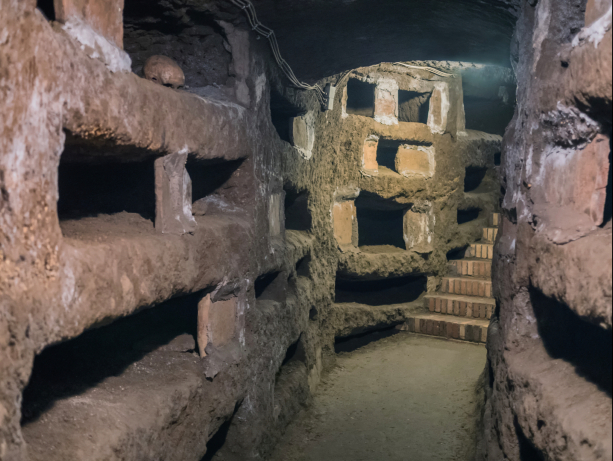
In Ancient Rome, it was against the law to bury the dead inside the city, so that the dead bodies would not pollute their water source. However, the Romans cremated their dead relatives and kept the ashes of the dead in urns. Christians could not do this because they believe that the body is an important […]
The Transfiguration Painting by Raphael
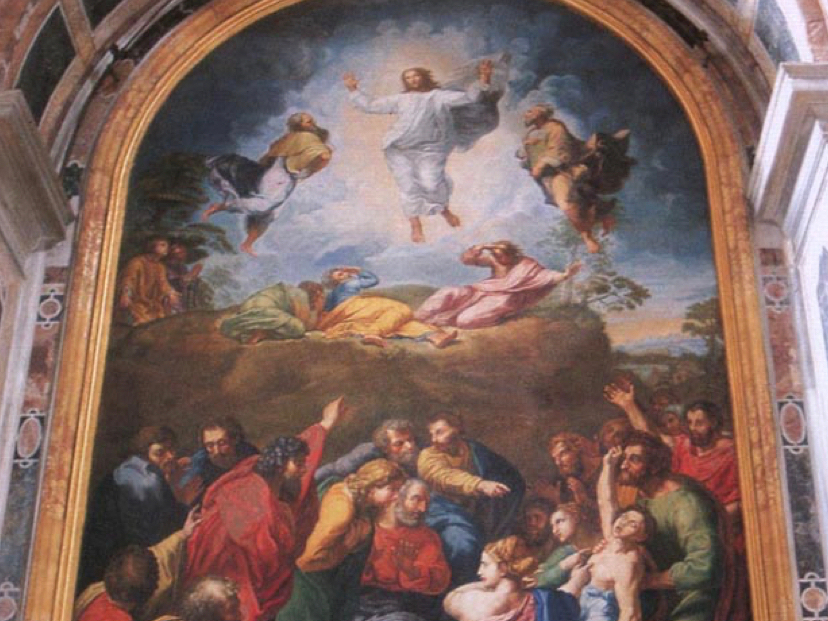
The subject of this painting is split in two halves: the top and the bottom. The top is the Transfiguration from the Gospels and the bottom depicts a scene from the Acts of the Apostles. The scene from Acts is full of agitated motion; people pointing one way and looking another. There is a confusion. […]
The Importance of the Altar
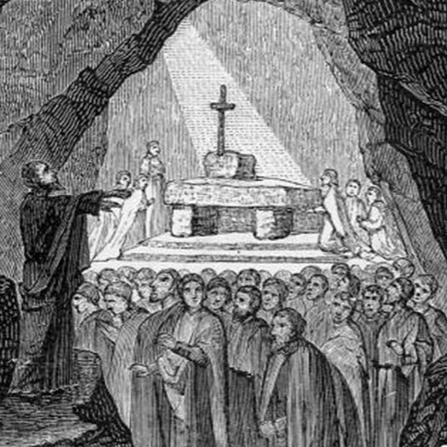
Early Christians were stuck between two groups: pagans and Jews. They were neither and so had to balance themselves and identify who they were. The altar was instrumental in this as it was both not a pagan altar and more than the Jewish table of the bread. It is still the most important thing in […]
The Conversion of St. Ignatius of Loyola
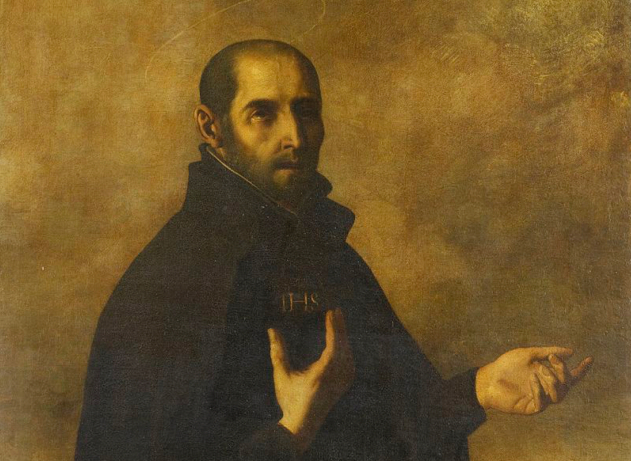
St. Ignatius joined the military early in his life, but his career was cut short by a leg wound from a canon ball. After having his leg cut off, Ignatius was confined to bed for a lengthy period of time. It was during this time that, when he asked for romance novels, Ignatius of Loyola […]
The Tomb of Pope Alexander VII
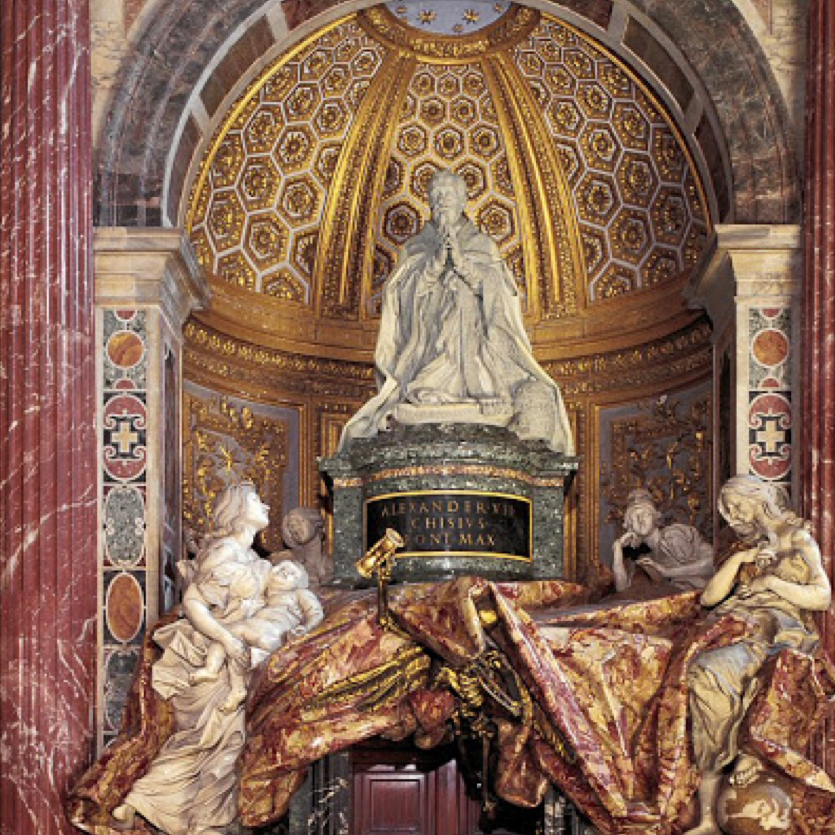
Pope St. Alexander VII reigned as pope between the years 1655 – 1667. His tomb is special because it does not show him giving a blessing or being extravagant. He is praying in the moment of his death. We can see that he is in the moment of his death because the statue is halfway […]